Difference Between DVII and DVID {Updated March 2024}
Of course, leveraging the digital signals, with this connector, you can get higher resolution and better image quality. Another advantage here is that the DVI-D connectors can be used with DVI-I ports as well. The DVI-I connectors are more flexible than the DVI-D and DVI-A connectors - because they can carry both analog and digital signals.
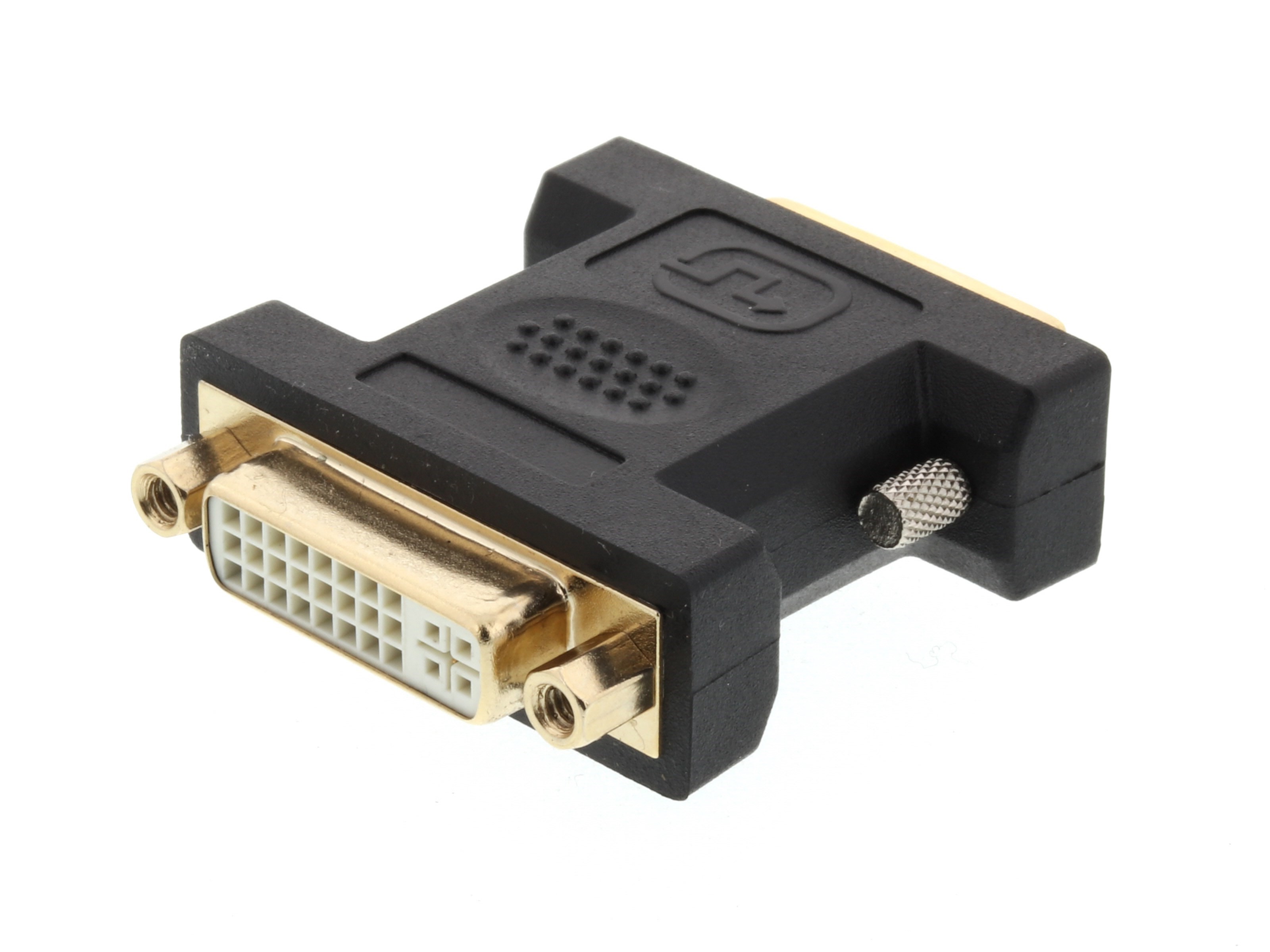
DVI Adapter DVII Female to DVID Male Vivid AV® Official Site
DVI-D eliminates the analog conversion process and improves the connection between source and display. DVI-A - High-Res Analog If you are connecting a DVI computer to a VGA monitor, this is the cable you want. DVI-A are used to carry a DVI signal to an analog display, such as a CRT monitor or budget LCD. The most common use of DVI-A is.
Difference between DVID and DVII Difference.Guru
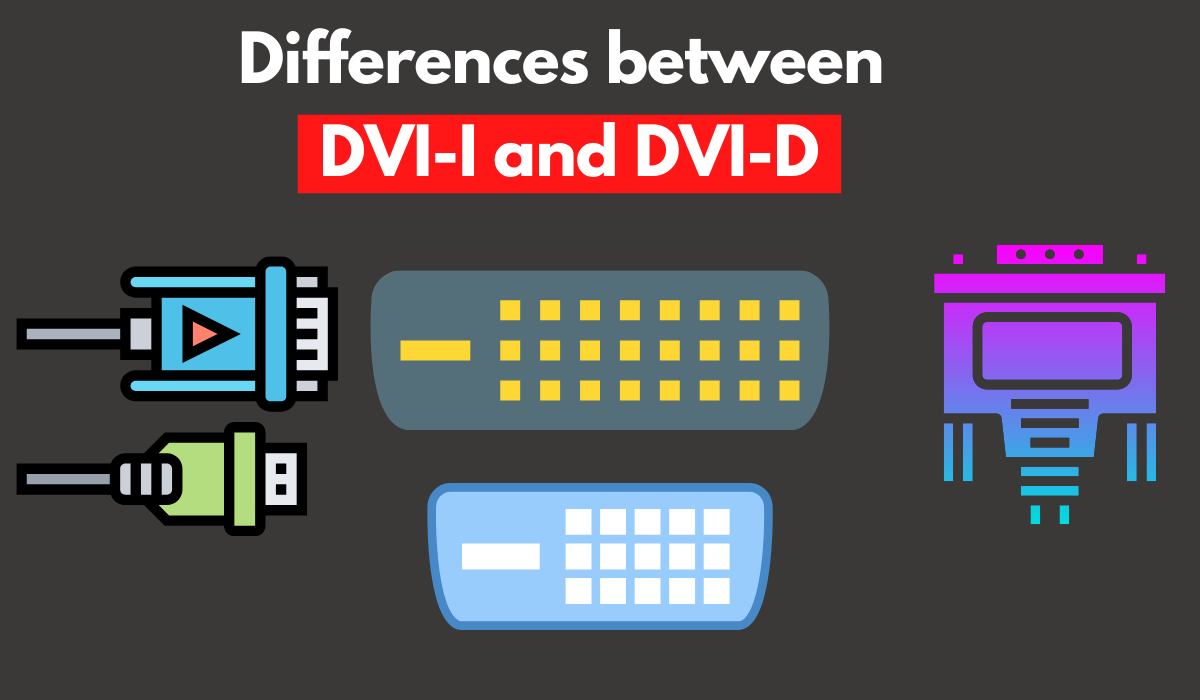
Both DVI-I and DVI-D differ a lot in terms of functions, pins, and layout of the pins, etc. DVI-D connector is designed to send out the digital signals only whereas if we talk about the DVI-I connectors, it can effectively send both digital and analog signals without any issues. DVI-D connector is designed to be fully compatible with the DVI-I.
What’s The Difference Between DVII and DVID? Practically Networked
The difference between DVI-I and DVI-D cables is in the letters used in the name: the I stands for integrated while the D stands for digital. DVI-D cables are the most common form of DVI cable available and are frequently packed in with computer monitors. DVI-D cables create a direct digital connection from the source to the display, which is.
DVI to DVI Cable, Benfei DVID to DVID Dual Link 6 Feet Cable Amazon.ca Electronics

DVI-I vs. DVI-D. Another benefit, albeit very infrequently utilized, of the DVI specification is the ability to support both analog and digital connections on a single interface.
What Is The Difference Between DVII And DVID? 4videoequipment

A DVI-D connector sends out a digital signal, while a DVI-I connector can send out both digital and analog signals. A DVI-D cable is fully compatible with a DVI-I connector — it will only read the digital output and simply ignore the analog signal. Most older graphics cards and motherboards include a Digital Video Interface (DVI) connector.
Difference Between DVII and DVID

Digital Visual Interface (DVI) is a video display interface developed by the Digital Display Working Group (DDWG). The digital interface is used to connect a video source, such as a video display controller, to a display device, such as a computer monitor.It was developed with the intention of creating an industry standard for the transfer of uncompressed digital video content.
DVI to DVI Cable, Benfei DVID to DVID Dual Link 6 Feet Cable Amazon.ca Electronics

Output: Digital Only vs. Hybrid. DVI-D ports are solely for digital signal output to flat-screen displays, such as LED screens, or digital projection systems. In contrast, DVI-I ports have greater utility since they possess digital signal outputs and contain analog signal outputs that are intended for older, CRT-based (VGA) video displays as well.
DVID Male to DVII Female Adapter 15 The Connectivity Center
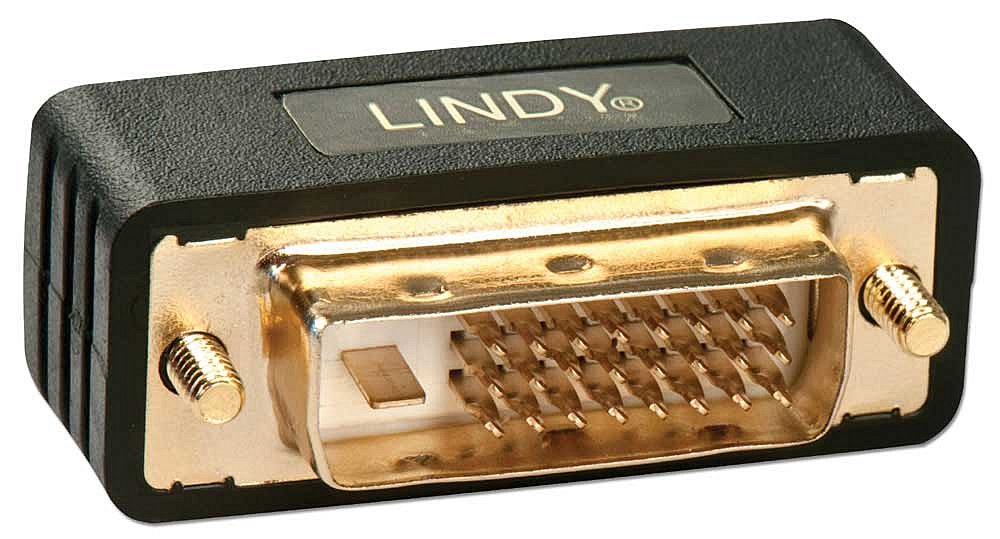
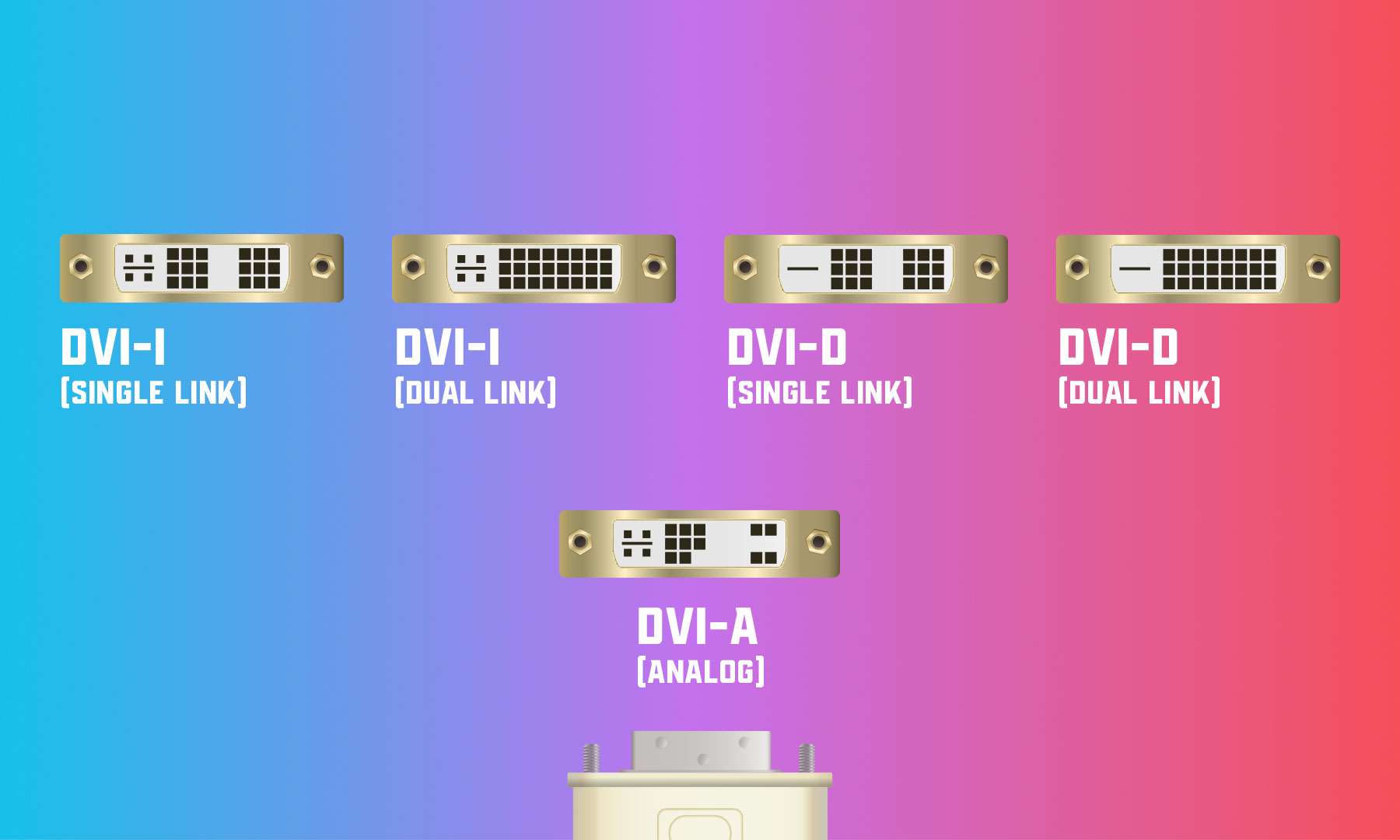
DVI-I in Single Link configuration has 18+5 pins and supports a maximum resolution of 1920×1200 pixels, and Dual Link configuration has 24+5 pins and can handle up to 2560×1600 pixels. It's important to note that the DVI-I cable doesn't convert signals but supports the transmission of either analog or digital signals.
DVI Adapter DVII Female to DVID Male Vivid AV® Official Site
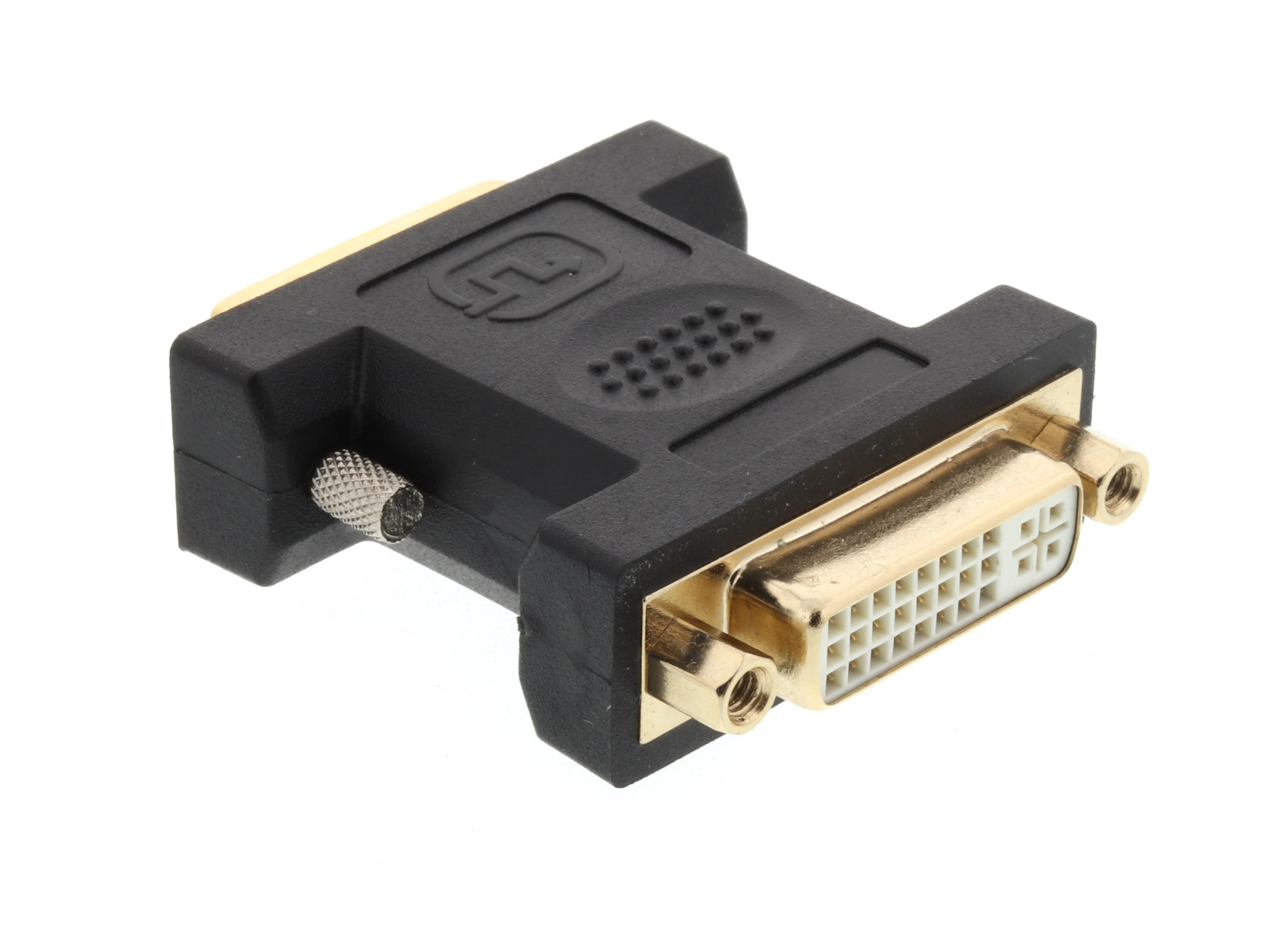
DVI is a standard for transferring video signals from DVI-equipped source devices (like PCs and DVD players) to a video display that also has a DVI video input connection. The DVI interface has three designations: DVI-D: Designed to pass only digital video signals. DVI-A: Designed to pass only analog video signals.
Разъемы DVI виды и особенности » Телевизоры из Финляндии на заказ с доставкой по РФ

A DVI-D connector on a graphics card sends out a digital signal only, while a DVI-I connector can send out a digital signal (for digital displays such as flat panel LCD monitors) as well as analog signal (for older displays such as a CRT monitor) using a DVI to VGA adaptor shown below. The graphics card shown in Figure 1 which shows a DVI-I.
DVII・DVID・DVIAの違い penpenのPC入門サイト
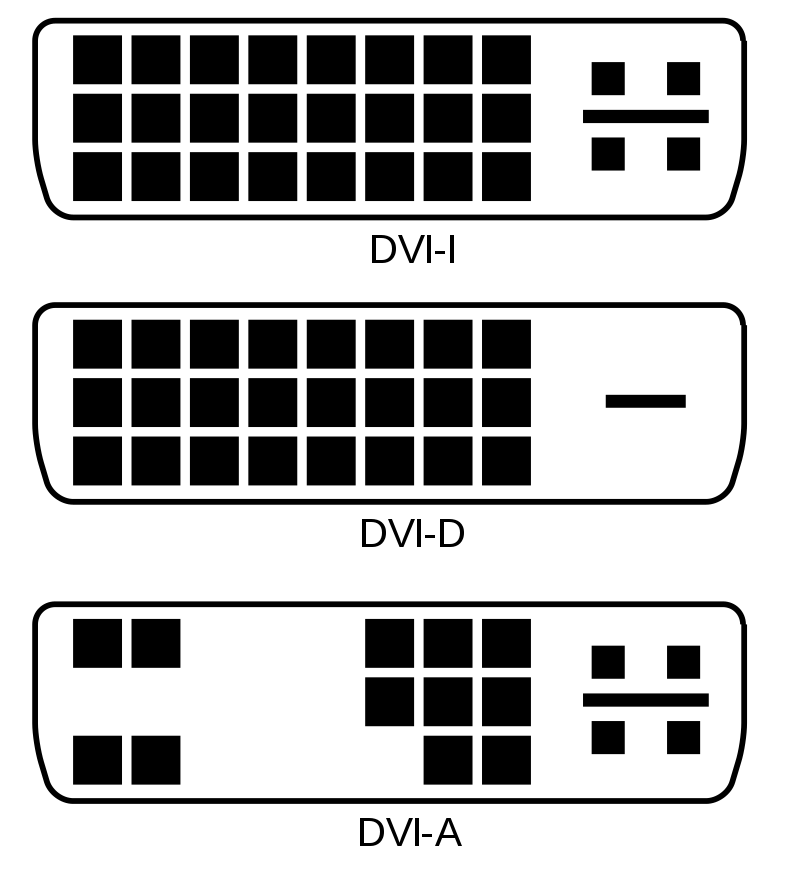
The DVI-A connection offers up to 4.59 Gbps of transfer speed, which can support resolutions up to 1920×1080. DVI-D delivers a whopping 9.9 Gbps rate that provides visuals with resolution levels up to 2048×1536. DVI-I single link can transfer at 4.59 Gbps while supporting visuals at 1920×1080 resolution or higher.
DVII vs DVID What's the difference and which should you use WePC
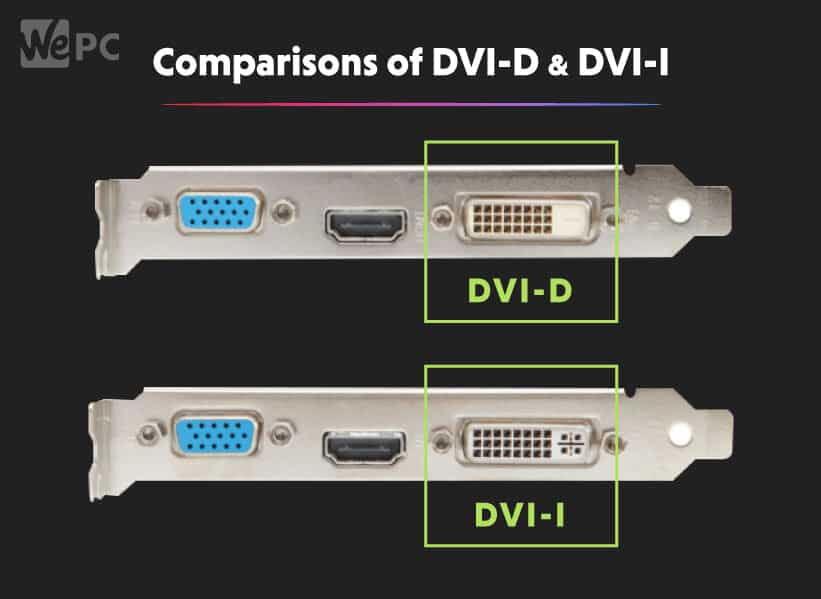
As of January 2002, Dell flat panel monitors have DVI-D connectors and will work fine with both DVI-D and DVI-I video connectors. Not all graphic adapters with Dual-Link Pin configurations actually support dual-link DVI (Resolutions above 1920x1200) If you need higher resolutions (2560 x 1600 for example) ensure the specifications of your card.
Diferencias entre DVID y DVII Sooluciona
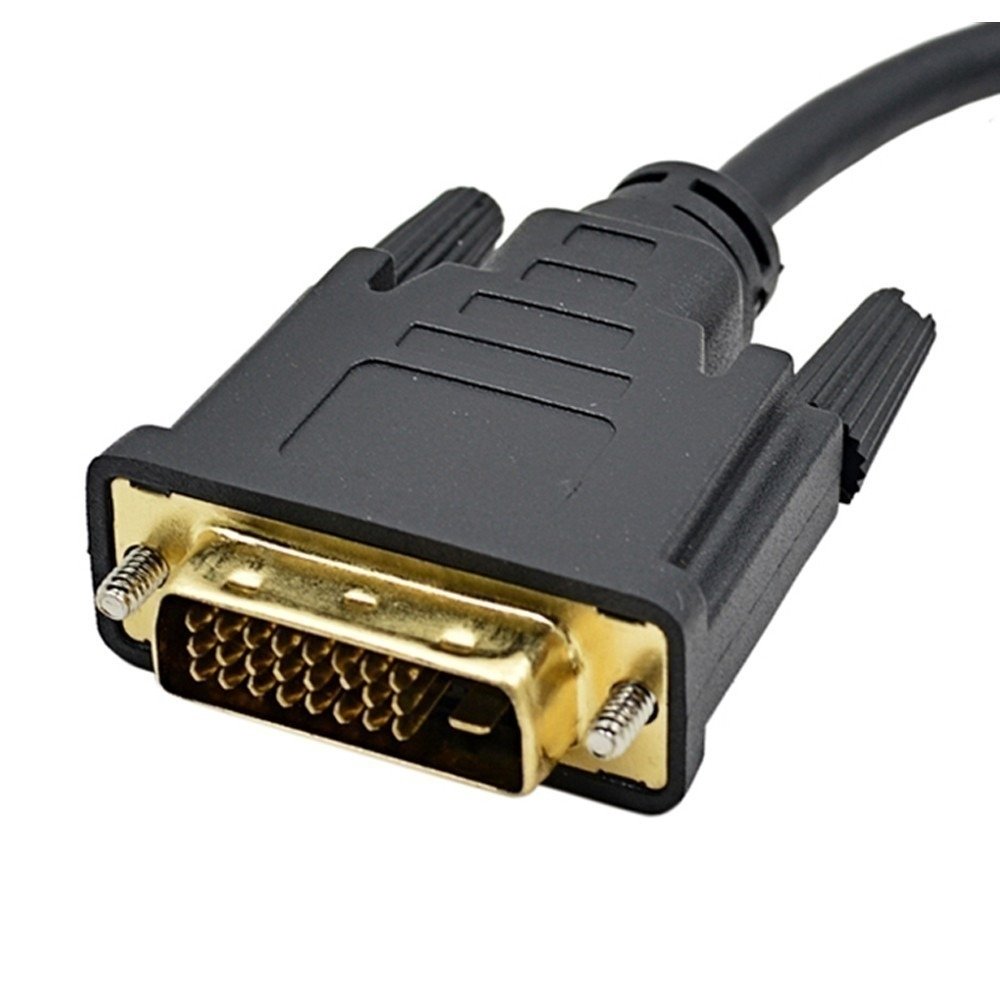
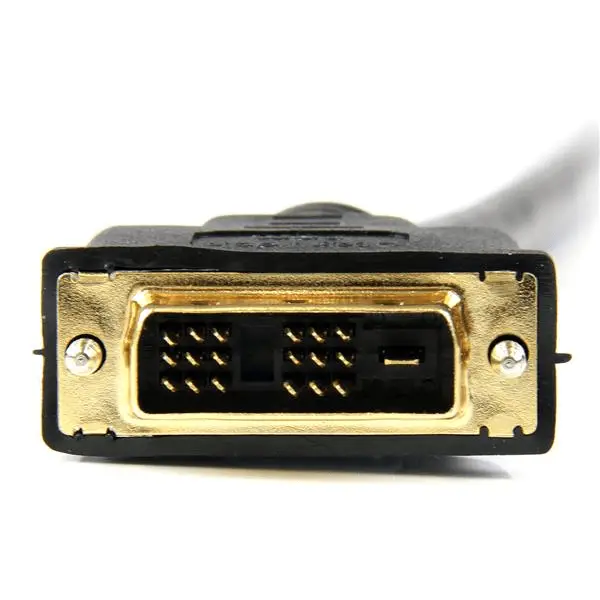
DVI-I has 23 pins (single link), while the dual-link connector has 29 pins. On the other hand, the DVI-D video interface has 19 pins for single link connectors and 25 for dual-link connectors. The single-link DVI connector allows transmission of 1920 x 1200 display resolution at 60 Hertz refresh rate, while a dual-link DVI will transmit 2560 x.
What Is The Difference Between DVII And DVID? [Simple Answer]

Regarding about the 6-foot HDMI-to-DVI-D Monitor Cable has specific refresh rate capabilities based on the HDMI version. HDMI 2.0: This cable can handle the following refresh rates: 1080p resolution: Up to 240 Hz. 1440p resolution: Up to 144 Hz. 4K resolution: Up to 60 Hz. HDMI 2.1: For this cable, the supported refresh rates are: 4K resolution.
DVII и DVID разница в разновидностях разъёмов
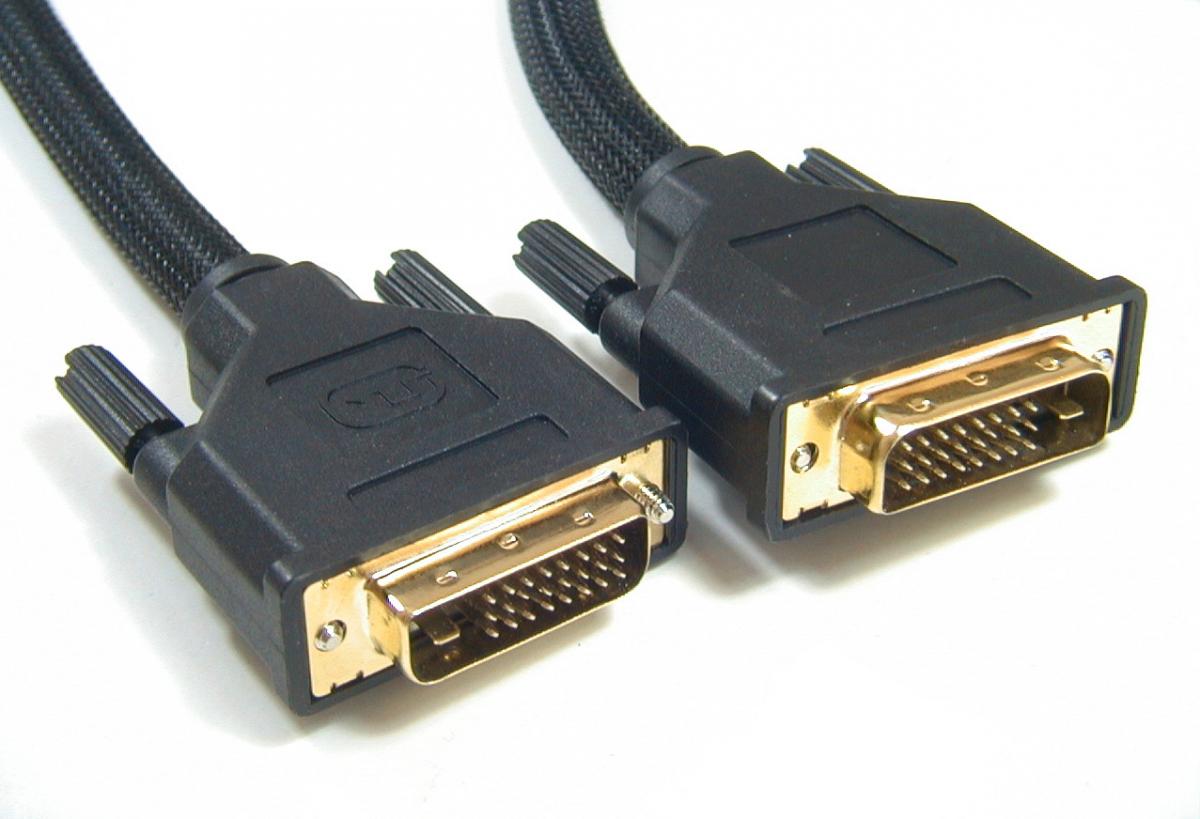
DVI was once a standard digital video interface for PCs and displays before being primarily replaced by HDMI. It can still be found on some older hardware. There are 3 main DVI connector types - DVI-D (digital only), DVI-A (analog only), and DVI-I (both digital and analog). DVI-I offers the most compatibility.
.![D’argent et de sang Xavier Giannoli raconte le casse du siècle [teaser] Premiere.fr](https://www.premiere.fr/sites/default/files/styles/scale_crop_1280x720/public/2023-08/D'argent et de sang.jpg "D’argent et de sang Xavier Giannoli raconte le casse du siècle [teaser] Premiere.fr")
